Catching Character Between the Poses
Today we dive into “Between-Poses Portraits: Character Stories Built from Tiny, Natural Movements,” celebrating the breath before the smile, the thoughtful blink after a laugh, and the honest shift of weight that reveals who someone truly is. Expect practical methods, human-centered direction, and field-tested setups that help you recognize authentic micro-gestures and translate them into images that feel like memories. Bring curiosity, patience, and a willingness to listen with your eyes, and let’s make portraits that move even when the subject barely does.
Reading the Quiet Moments
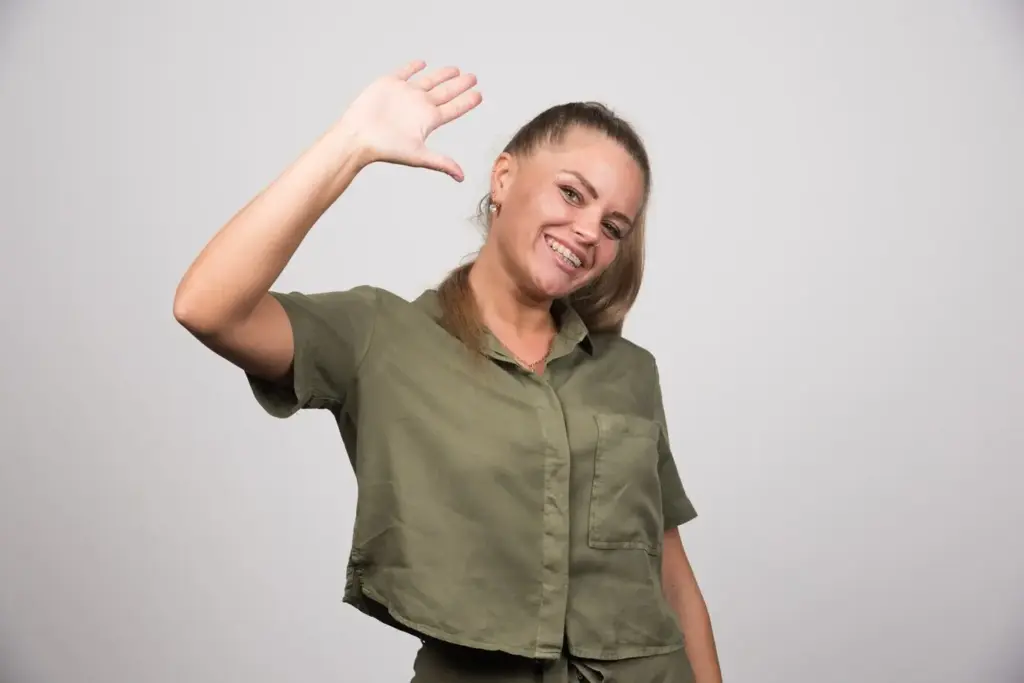
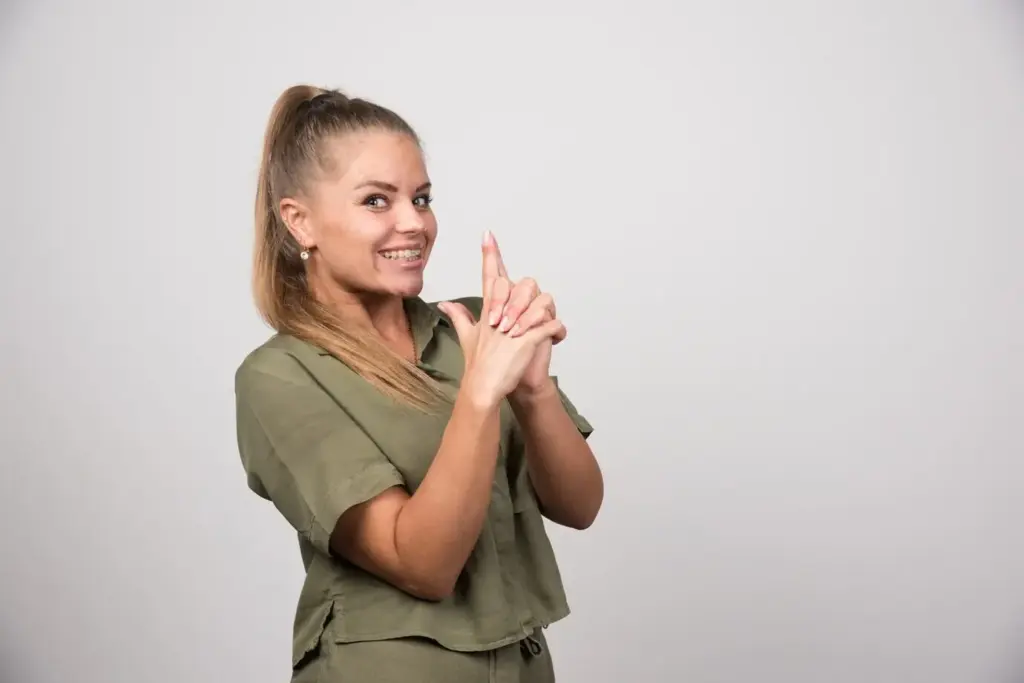
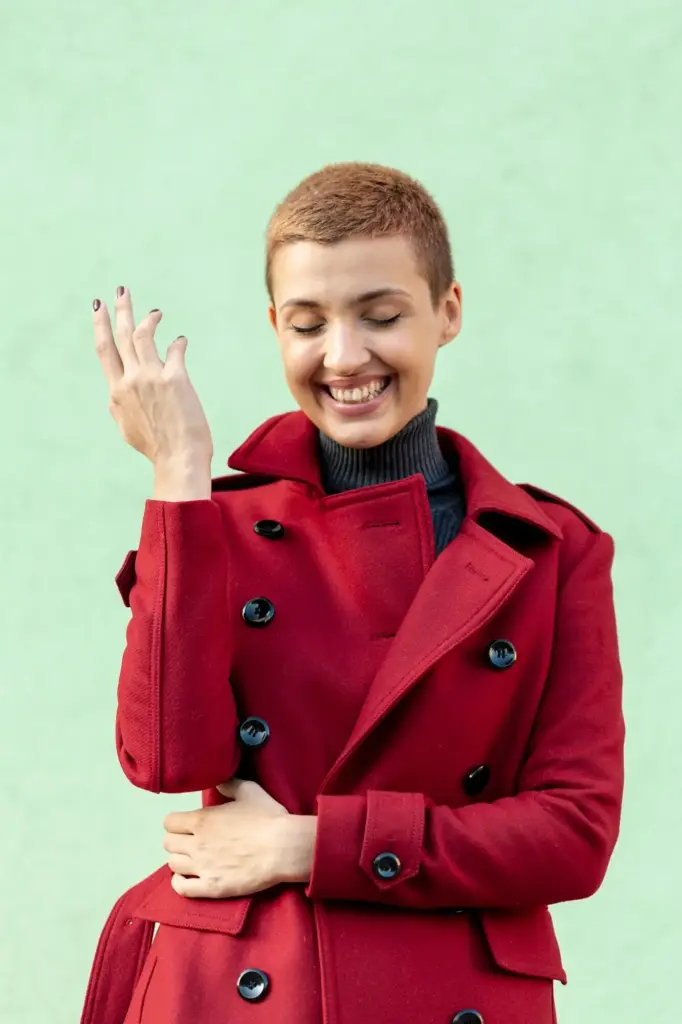
Great portraits often happen in the gap between instructions, where tension falls and natural rhythm returns. Here, micro-expressions and tiny adjustments become storytelling beats. Drawing on observations from psychology and years on set, we’ll learn to notice unguarded transitions: the inhale lifted by hope, the half-smile remembering a joke, or hands settling into a private comfort. Mastering these signals means slowing down, trusting silence, and building a presence that gently invites truth to surface rather than forcing it to perform.

Light That Breathes With the Subject
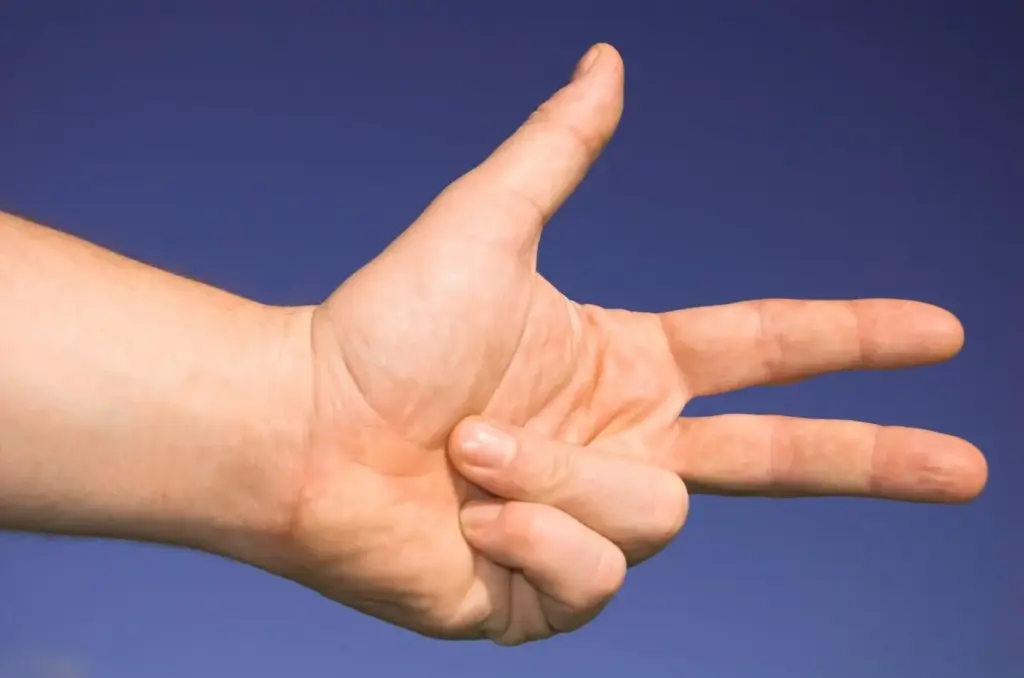
Light should invite motion, not discipline it into stiffness. Continuous sources, soft windows, and practical lamps create environments where people move naturally and eyes retain life. Gentle falloff shapes cheeks as they turn; edge glows kiss collars when someone shifts. We’ll explore how flicker-free LEDs, feathered modifiers, and intentional spill help capture honest transitions without startling resets. Manage contrast so micro-gestures don’t disappear into mud or glare, and keep exposure flexible enough to embrace small, meaningful shifts.
Window rhythms and living shadows
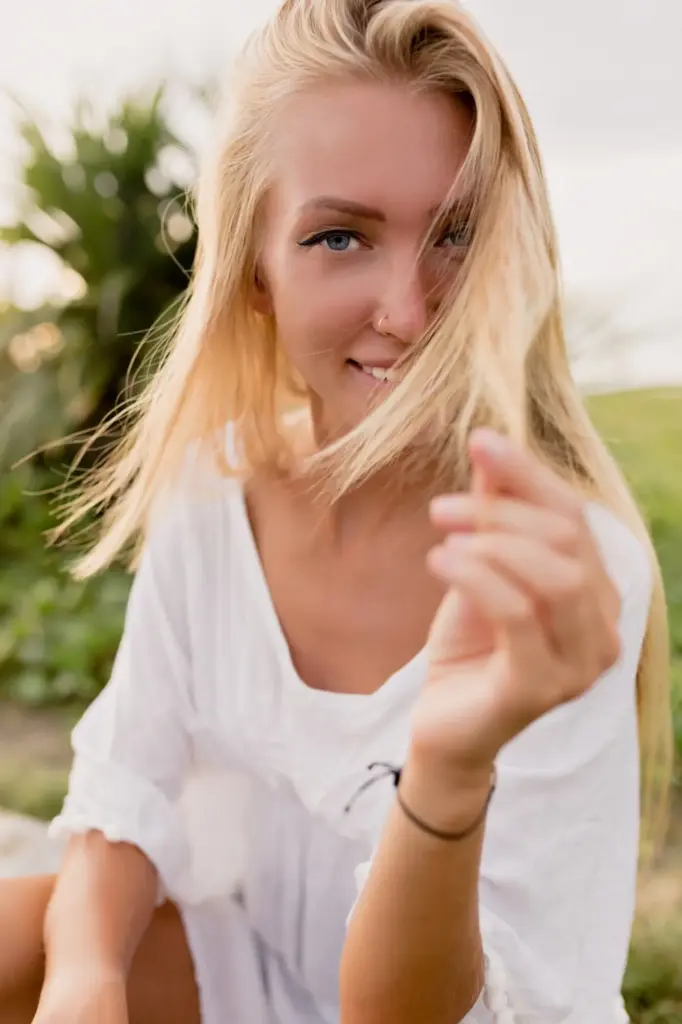
North light offers a forgiving, steady canvas for movements as delicate as a blink. Place your subject near the edge of brightness so a subtle lean rewrites the face with soft contrast. Use negative fill to anchor form while keeping eyes luminous. Let hands wander into light, then retreat to shadow, shaping a visual sentence from simple motions. As clouds drift, adapt angles rather than chasing perfection, honoring the room’s breathing and the subject’s evolving comfort.
Continuous setups that never break the spell
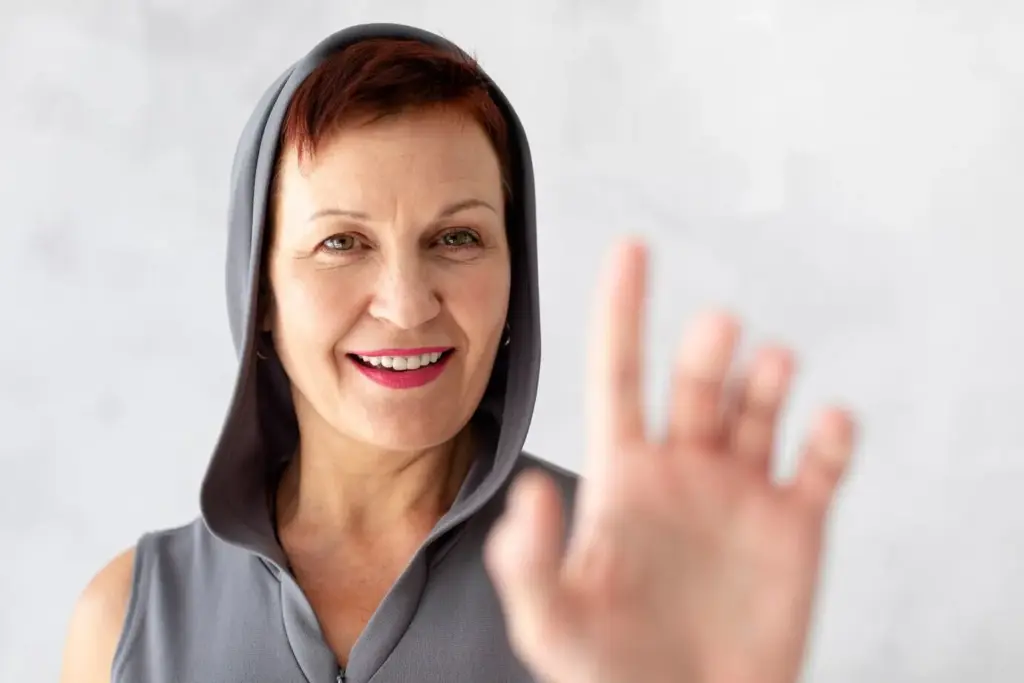
Flicker-free LED panels with high color fidelity preserve skin nuance through tiny shifts. Dim to comfort, lift gently with a bounced card, and feather spill to maintain depth. Softboxes close to the subject turn minuscule head movements into expressive modeling changes. Avoid abrupt intensity jumps that alter mood. Keep light stands unobtrusive, wires tidy, and eyes free to wander. When the illumination behaves like a steady companion, people forget the gear and simply inhabit themselves.
Embracing intentional blur for feeling
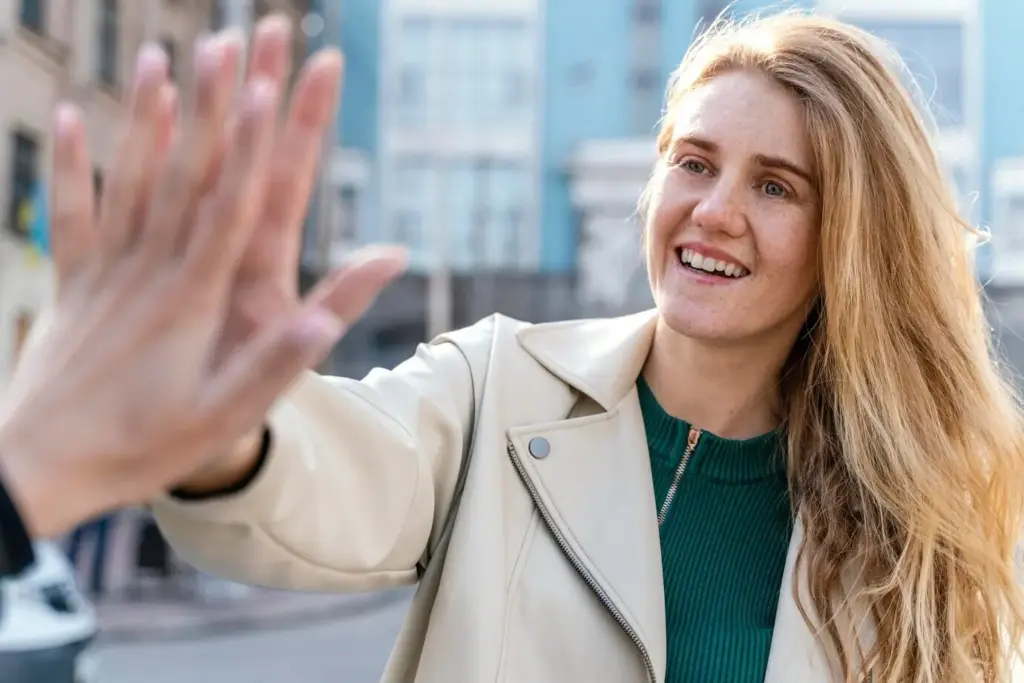
Not every moment begs for clinical sharpness. A whisper of motion blur can translate warmth, breath, and time passing softly. Try 1/30–1/60 with stabilized lenses as the subject exhales or lowers a gaze. Let hair spill into a gentle streak while eyes remain readable. Use this sparingly, choosing frames where emotion outweighs precision. The result feels less like proof and more like memory: a delicate reminder that character is something we sense before we measure.
Distance, Focal Length, and the Story of Space
Where you stand changes what the in-between can say. Distance sets comfort; focal length edits context. A tighter lens can quietly compress doubt into resolve; a wider view can nestle gestures inside meaningful surroundings. We’ll map how 35mm, 50mm, and 85mm perspectives encourage different micro-movements, and how footwork refines intimacy without crowding. By choreographing space with empathy, you transform quick, natural shifts into readable beats that invite viewers to lean closer and feel involved.
Verbs, not statues
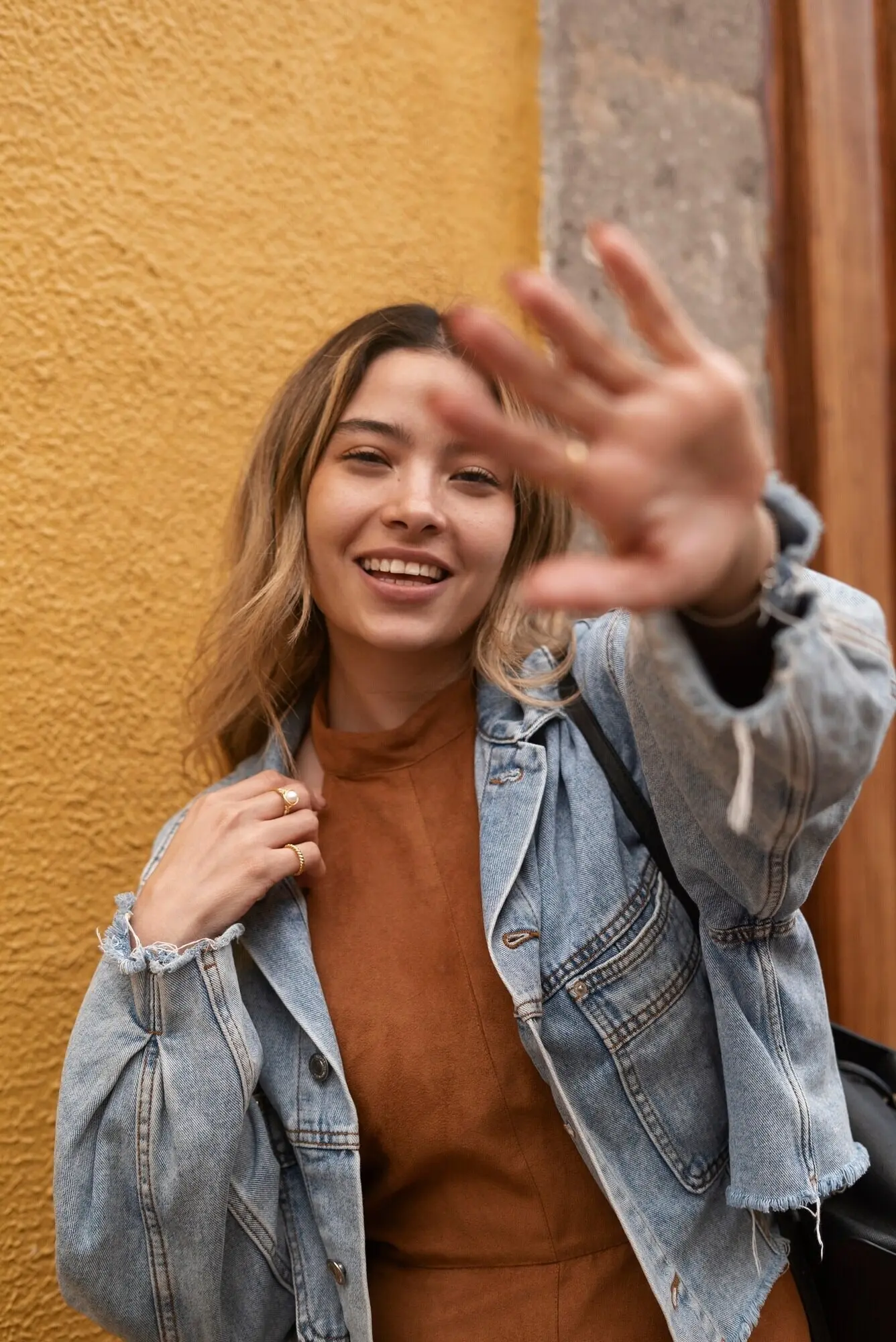
Replace rigid instructions with living prompts. Say, “Loosen your jaw; let your shoulders remember comfort,” or, “Close your eyes, think of somewhere breezy, open when you’re there.” These invitations seed tiny, sincere adjustments. Keep your own posture open, mirroring calm. When you see a micro-shift—fingers smoothing fabric, lips gathering breath—narrate gently to affirm presence without freezing spontaneity. Over time, the session becomes a conversation where movement answers questions, and images read like honest replies.
Breath cues and warm silences
Breath settles nervous systems. Invite three slow inhales, exhaling through the mouth to unclench the face. Pause speaking afterward; let quiet do restorative work. Many portraits bloom right then, as eyes reset and shoulders forget armor. Avoid filling space with fixes; your stillness signals trust. When sound returns, keep it soft: a simple, “Stay there,” or, “That felt true,” acknowledges the moment without tightening it. These cues anchor micro-gestures in calm, readable rhythms.
Questions that open doors
Ask prompts that invite inward gaze rather than performance: “What felt like home this week?” “Whose laugh is in your pocket today?” While they recall, watch for the softened jaw or widening eyes. Don’t pounce; orbit gently, ready when meaning flickers. Offer gratitude instead of critique. People unfold where they feel witnessed, not managed. The resulting frames carry traces of real memory, and the smallest movement—a swallow, a blink—arrives holding private light that photographs beautifully.
Sequencing, Color, and the Editorial Arc
Great singles are powerful, but sequences reveal character growth through subtle transitions. Editing becomes translation: grouping micro-movements into paragraphs, shaping tension and release. Color supports tone; gentle split-tones or filmic curves can carry breath across frames. We’ll discuss culling for narrative beats, balancing variety with coherence, and printing or publishing layouts that help viewers read the quiet. The goal is an arc that feels inevitable yet surprising, like memory arranging itself after a meaningful conversation.
Field Notes, Anecdotes, and Community Practice
A dancer’s unguarded exhale
During a studio session, a ballet dancer held fifth position between takes, then let her shoulders drop as music faded. I waited, said nothing, and framed slowly. At that exact exhale, her gaze steadied with relief and pride. One click. The image outshone grand jumps because it held the cost and the joy together. Remember: the body tells its truth in recovery, and your patience can translate it without dramatics or demands.
A founder’s cuff and a turning point
A startup leader grew tighter with every directive headshot. I asked about the first hire who surprised him. He smiled, eyes wet, and idly rolled his sleeve while answering. That tiny ritual shifted the room; control softened into care. I framed his hands, then his face finding steadiness. Those two frames led the story. Sometimes character arrives through practiced habits made tender by memory—watch wrists, thumbs, and collars where intention sneaks past armor.
Your seven-day gentle challenge
For one week, photograph someone you know for five minutes a day. Offer one verb, then wait: breathe, listen, loosen, remember, return, drift, arrive. Capture only the transitions, then sequence nine frames that feel like a conversation. Share your contact sheet and reflections with our community, tag your favorite discoveries, and ask for constructive notes. Subscribe for a follow-up guide on editing subtle arcs, and send questions—we’ll respond with tailored prompts honoring your context and voice.
All Rights Reserved.